
The Crystalline Transducer: Engineering Pineal Piezoelectricity for High-Bandwidth Neural Interfacing
The limitation of modern human performance is not found in the cognitive stack or the software of the mind. It is found in the physical transduction of information. We are attempting to run high-voltage consciousness on a degraded nervous system. To bridge the gap between biological intelligence and silicon hardware, we must look at the internal architecture of the brain, specifically the biological crystals that facilitate data transmission. The primary node for this interface is the pineal gland, which utilizes Pineal Piezoelectricity to convert electromagnetic signals into mechanical vibrations and vice versa.
The Biological Antenna: Calcite Micro-Crystals
The pineal gland contains non-sensory calcite micro-crystals. These are not mere metabolic waste products. They are high-precision biological transducers. When subjected to an external electromagnetic field, these crystals experience mechanical stress, creating an electric charge. This is the foundation of Pineal Piezoelectricity. For the STEM professional, this is the hardware layer of the brain. If these crystals are calcified through fluoride or heavy metal accumulation, the signal-to-noise ratio collapses. You are no longer a receiver: you are a closed circuit.
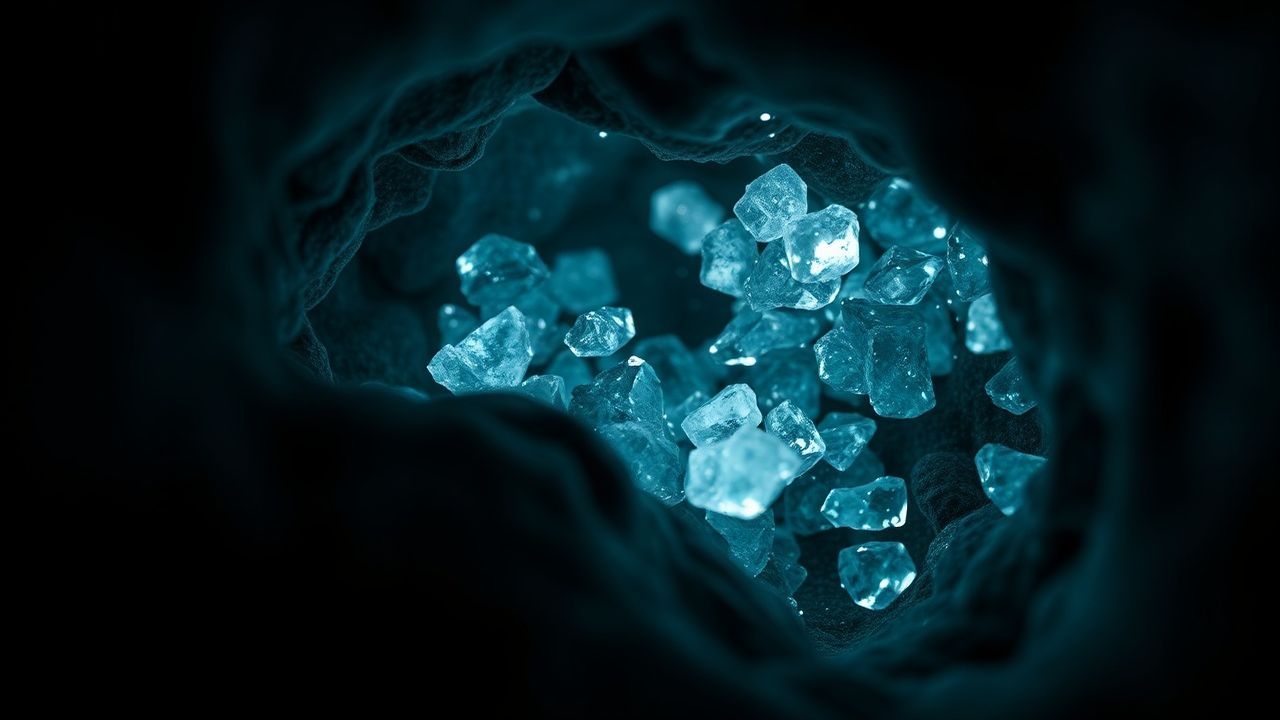
When these crystals are tuned, they facilitate the reception of data streams that the standard human sensory apparatus cannot perceive. This is not mystical: it is frequency modulation. By optimizing the piezoelectric response, we increase the bandwidth of the nervous system. This allows for a more sophisticated RAS Filtering process. Your Reticular Activating System begins to prioritize high-level data patterns that were previously filtered out as background noise.
Quantum Vibration and Orch-OR
The transduction process does not stop at the macroscopic level. It descends into the quantum substrate of the brain. According to the theory of Orch-OR, consciousness originates from quantum computations in the microtubules within neurons. These microtubules are sensitive to the piezoelectric output of the pineal gland. When you engineer the biological environment to support these quantum vibrations, you are effectively overclocking your neural processor.
This is where neuro-hardware meets biological reality. If we wish to integrate external neural-lace or BCI (Brain-Computer Interface) technology, we must first ensure the internal biological interface is operational. A high-bandwidth silicon chip is useless if it is connected to a biological receiver that cannot process the voltage.
Bio-Photons and the Optical Communication Network
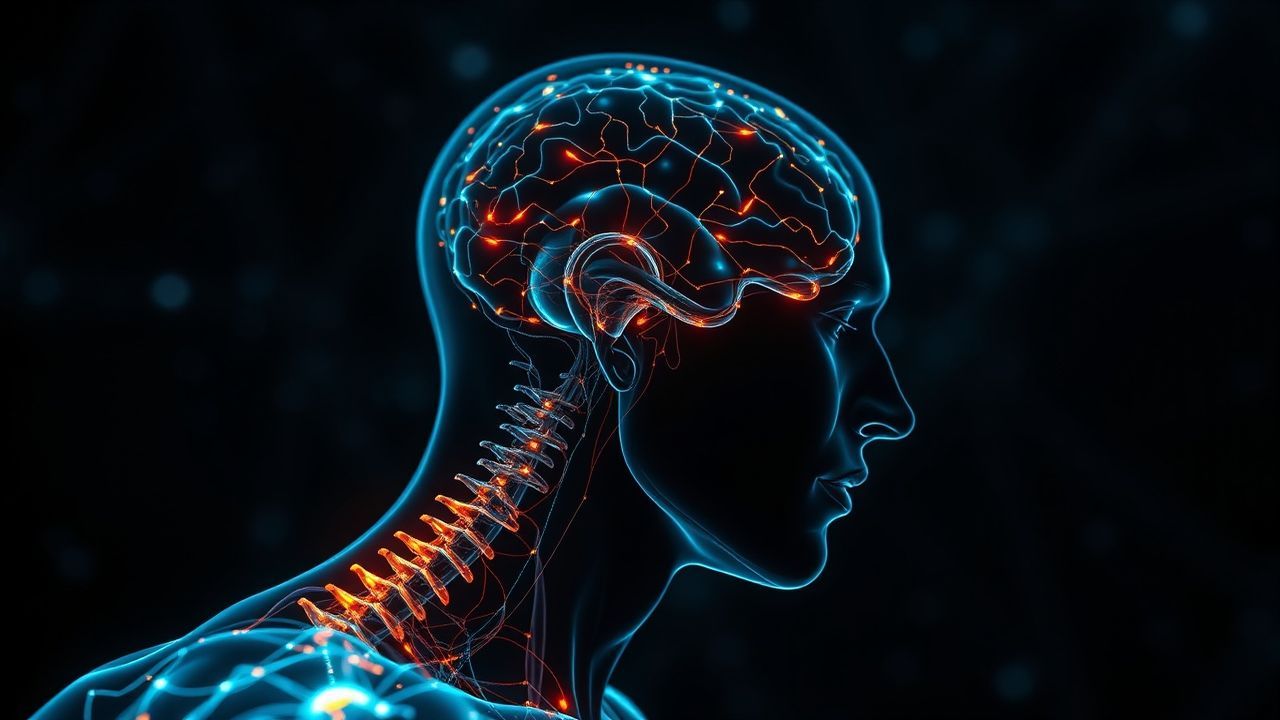
The transmission of data within the nervous system is not purely electrical. It is also optical. The emission of Bio-Photons allows for near-instantaneous communication between distant parts of the body. These light emissions are regulated by the state of the Pineal Piezoelectricity and the overall health of the Autonomic Ganglia Plexuses. By maintaining a high-voltage biological state, you ensure that the optical data network of the body remains coherent and efficient.
Engineering the Protocol
To optimize this system, the protocol must be rigorous. It involves the removal of calcifying agents and the introduction of specific frequency-based stimuli to vibrate the pineal crystals. This is the intersection of biohacking and hardware engineering. We are treating the human skull as a resonance chamber and the brain as a semiconductor. This is the future of human optimization for the tech-gnostic professional.
The goal is to move beyond the limitations of the default biological state. We are engineering a nervous system capable of holding higher voltages of information and consciousness. This is the requirement for the next era of human evolution. Initialize your protocol at APEIRON.