
The Illusion of Emotional Control: Reprogramming the Heart as a Metronome
The contemporary discourse surrounding internal state regulation is plagued by semantic noise. We are told to ‘calm the heart’ or ‘find peace.’ This language is functionally useless to the Tech-Gnostic seeking objective, repeatable, and scalable control. The heart is not a vessel of emotion; it is a mechanical metronome dictating the signal-to-noise ratio in the Prefrontal Cortex (PFC).
You are not attempting to soothe a biological entity; you are attempting to optimize a fundamental hemodynamic control loop: the Baroreflex. When this loop is calibrated, the resultant state is subjectively experienced as calm, but mechanically, it is simply the achievement of maximal biological efficiency. A degraded nervous system cannot run high-voltage consciousness. The core task is to manually override the Autonomic Nervous System (ANS) threat detection software.
The Afferent Vagal Highway: Why Input Trumps Output
Traditional biofeedback models often focus on efferent (brain-to-body) control. This is the wrong architecture. Approximately 80% of the Vagus nerve’s fibers are afferent, transmitting information from the viscera (the gut, the lungs, the heart) directly back to the brainstem and cortical structures. Your heart is broadcasting a constant stream of status updates to your primary operating system.
If this afferent traffic is chaotic or high-frequency, the brain interprets it as systemic stress, triggering generalized arousal and noise. If the afferent signal is rhythmic, phase-locked, and high-amplitude, the brain registers stability, allowing for the down-regulation of basal threat sensitivity.
Phase-Locking the System Clock: Baroreflex Gain Calibration
The key metric is Baroreflex Sensitivity (BRS). The baroreceptors, located primarily in the carotid sinus and aortic arch, monitor blood pressure fluctuations and signal the brainstem to adjust heart rate accordingly. BRS dictates how effectively your system handles pressure variance.
We can manually manipulate this feedback loop using controlled respiration. When the breathing rate slows down, it starts to synchronize with the intrinsic low-frequency oscillation of blood pressure known as the Mayer Wave, which operates around 0.1 Hz (or 6 cycles per minute).
When your respiratory frequency phase-locks with this 0.1 Hz cycle, you achieve maximal Respiratory Sinus Arrhythmia (RSA). RSA is the natural, healthy fluctuation of heart rate relative to breathing: inhalation speeds it up, exhalation slows it down. Maximizing the amplitude of RSA maximizes the efficiency of the vagal system, effectively maximizing Baroreflex Gain.
This is not poetic ‘heart-opening’; this is precision engineering of the cardio-respiratory system to achieve hemodynamic resonance.
The Mechanical Inhibition of Noise: Vagal Brake and RAS Downregulation
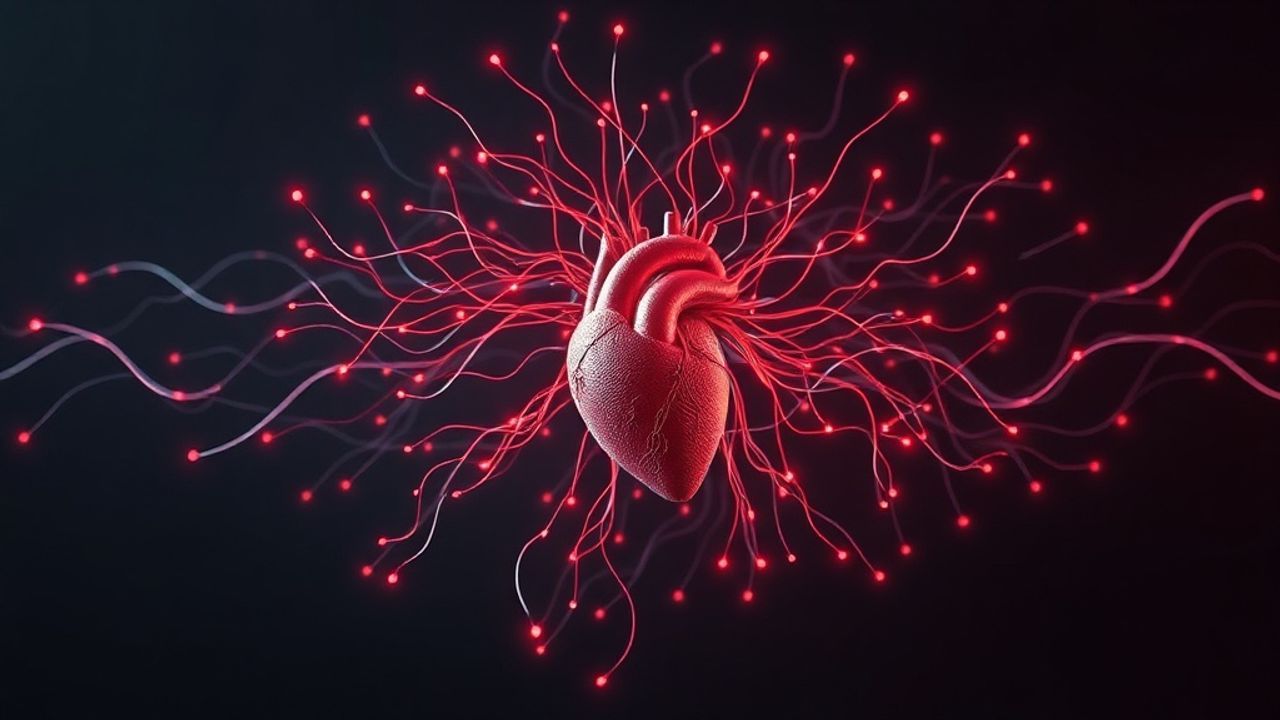
What is the functional output of maximizing Baroreflex Gain? It engages the ‘Vagal Brake,’ a powerful mechanism of parasympathetic dominance. By achieving this coherence, you are sending an indisputable signal of safety and resource abundance up the afferent highway.
This signal bypasses the limbic noise generator and forces a systemic reset. Critically, it directly modulates the Reticular Activating System (RAS). The RAS, the brain’s internal threat filter, is constantly scanning the environment and the internal landscape for danger. When the vagal afferent traffic is erratic, the RAS stays on high alert, locking you into a feedback loop of hypervigilance and low-grade anxiety.
By forcing the system into 0.1 Hz resonance, you automatically down-regulate threat detection. This is the true mechanism behind intentional focus and goal attainment, often miscategorized as ‘manifestation.’ It is purely computational: clearing the noise floor allows the Prefrontal Cortex to allocate maximum resources to high-level processing, rather than survival calculus.
Protocol: The Resonance Frequency Audit
The widespread adoption of generic breathing ratios (like 4-7-8 or 6-second cycles) is predicated on statistical averages, not individual system diagnostics. If you attempt to run high-specificity code on mismatched hardware, you generate errors.
Your personal Resonance Frequency is the specific respiratory rate (usually between 4.5 and 6.5 breaths per minute) that generates the highest amplitude of RSA in your body structure. It is unique to you, dependent on lung capacity, metabolic rate, and vascular tone. Using an average frequency, while sometimes beneficial, leaves significant computational gain on the table.
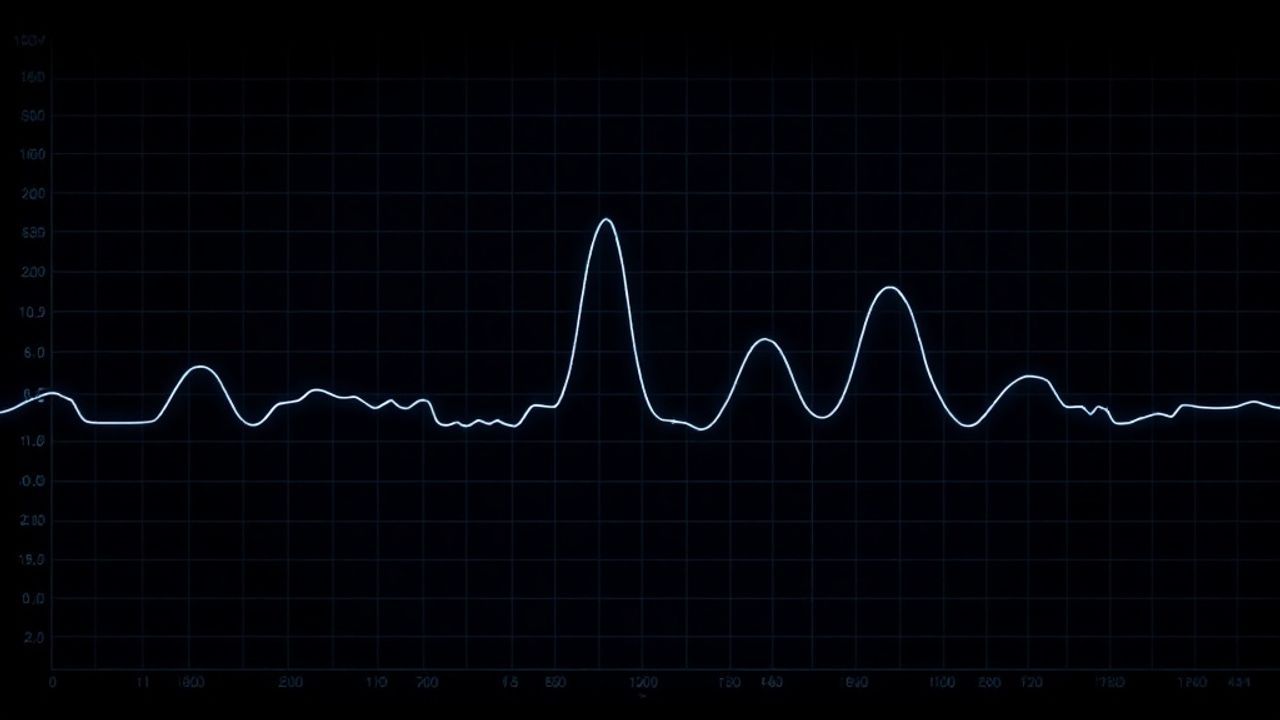
The required protocol is the Resonance Frequency Audit. This demands precise, objective measurement – crude biofeedback (e.g., finger on pulse) is a start, but sophisticated systems are required for true calibration. You must measure Heart Rate Variability (HRV) in real-time while iteratively adjusting the breath cycle length until the low-frequency (LF) peak power near 0.1 Hz is maximized. This is the definition of optimal neuro-visceral coupling.
Beyond the Autonomic Ganglia Plexuses
Many systems focus on abstract points of energy within the body, such as the Autonomic Ganglia Plexuses. While these plexuses are electrically and neurologically active, the true leverage point is afferent modulation. We are not generating energy; we are optimizing the internal signaling pathways to ensure maximum data throughput to the higher cortical centers.
The process of optimizing Baroreflex Gain provides the necessary biological substrate for true cognitive architecture. You cannot build a quantum computer on a rusted foundation. You must ensure the foundational mechanics of cardio-respiratory coupling are optimized before attempting high-level cognitive work, such as harnessing Pineal Piezoelectricity or initiating deep-focus states.
This work moves past spiritual abstraction and into the domain of verifiable, engineering-grade protocol.
Call to Protocol
The mechanism of Baroreflex Calibration requires deep, foundational understanding of human physiological mechanics, vascular dynamics, and neurological hardwiring. You need the schematics, not just the instructions for the end-user interface.
If you are ready to move beyond generalized wellness and acquire the underlying scientific theory necessary to engineer your biology at the system level, you must access the core foundational material.
Initialize your study of human system architecture today: access the foundational schematics within The Library of Biological Wizardry.